Romance of the Three Kingdoms
Introduction
"Romance of the Three Kingdoms," penned by Luo Guanzhong in the 14th century, stands as one of China's Four Great Classical Novels, celebrated for its intricate blend of history and fiction. Set against the backdrop of the late Eastern Han Dynasty and the ensuing Three Kingdoms period (220–280 AD), the novel delves into the political and military struggles among three warlords seeking to reunify China post-Han Dynasty. Renowned for its elaborate battle strategies, character complexities, and themes of loyalty and betrayal, this legendary tome serves as a cultural touchstone, influencing various realms including television, film, and interactive media both in China and beyond. Against the backdrop of a fractured China divided into Wei, Shu, and Wu, the narrative weaves together historical events with folklore and mythology, reflecting the intricate socio-political tapestry of the era and emphasizing Confucian ideals of loyalty, righteousness, and moral justice.
Plot Summary
The novel opens with the demise of the Eastern Han Dynasty (25-220), as corrupt eunuchs and incompetent rulers lead to its decline. Amidst the chaos, various factions uemerge, each led by ambitious warlords seeking to restore or reshape the empire under their leadership. The central narrative follows Liu Bei, Cao Cao, and Sun Quan as they establish their respective states of Shu, Wei, and Wu. Key battles, such as the Battle of Red Cliffs, showcase brilliant military strategies, while personal relationships and alliances continuously shift, illustrating the intricate power dynamics. The story is not merely about warfare but deeply explores the human aspects of leadership, friendship, loyalty, and betrayal. The novel concludes with the eventual reunification of China under the Jin Dynasty, providing a poignant reflection on the transient nature of power and the enduring quest for unity.
Main Characters
Liu Bei and Shu Han
Liu Bei, a warlord of humble origins, is portrayed as a paragon of virtue and humanity. He is the founder of the state of Shu Han and
is depicted as a compassionate leader, whose moral integrity earns him the loyalty of capable generals and advisors, including the legendary Zhuge Liang. Shu Han, under Liu Bei’s leadership, strives to restore the Han Dynasty's glory, embodying the Confucian ideals of righteousness and benevolence.
Cao Cao and Wei
Cao Cao, the formidable leader of the state of Wei, is characterized by his ruthless ambition and military acumen. Though often vilified, he is a complex character whose intelligence and strategic brilliance are undeniable. Wei, under Cao Cao, becomes a dominant power, marked by efficient governance and formidable military strength. Cao Cao’s legacy is a blend of despotic tyranny and visionary leadership.
Sun Quan and Wu
Sun Quan, the ruler of Wu, is known for his pragmatism and diplomatic skill. Wu, located in the south, is fortified by its strong naval capabilities and strategic alliances. Sun Quan’s leadership is marked by flexibility and insight, navigating the turbulent political landscape with caution and strategic foresight. His reign represents a blend of military prowess and political astuteness, contributing to Wu's stability during this chaotic period.
Adaptations and Cultural Influence
Television and Film
Romance of the Three Kingdoms has been adapted into numerous television series and films, bringing the epic narrative to life for diverse audiences. The 1994 TV adaptation remains a notable rendition, celebrated for its faithfulness to the source material and its portrayal of complex characters. Television dramas, such as "The Advisor Alliance" and "The Wind Blows from Longxi," reimagine the novel's stories with a modern twist, bringing historical characters to life for contemporary audiences. These adaptations often highlight the novel's strategic and tactical elements. Such adaptations have helped preserve the narrative's significance, introducing it to new generations and expanding its cultural reach.
Video Games
The themes and characters of Romance of the Three Kingdoms have transcended literature, influencing a wide array of video games. Such as the "Dynasty Warriors" series, allows players to experience the historical battles and characters from the novel in an interactive format. These games often focus on strategic warfare and character alliances, allowing players to engage with the historical narrative interactively. The franchise has gained international popularity, illustrating the enduring appeal of the novel’s themes and characters in digital form.
Global Influence
Globally, Romance of the Three Kingdoms has been translated into several languages, captivating readers worldwide with its blend of history and myth. It serves as a lens through which international audiences can explore Chinese culture and history. The novel’s themes of power, strategy, and human nature resonate universally, making it a cornerstone of global literary heritage.
Reception and Legacy
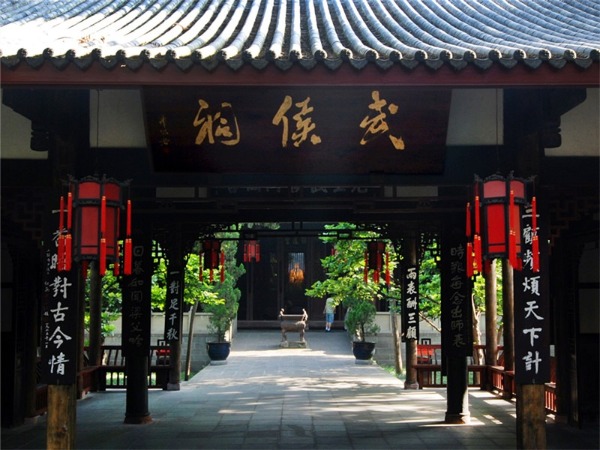
Cultural sites and artifacts related to the Three Kingdoms era, such as the Chengdu Wuhou Shrine, continue to draw interest and study. The shrine, originally built to commemorate Liu Bei and Zhuge Liang, serves as a testament to the novel's historical significance and its integration into Chinese cultural heritage.
Romance of the Three Kingdoms has left an indelible mark on literature and popular culture. Its detailed representation of historical events and timeless exploration of human nature have earned it a revered place in literary history. Scholars and fans alike continue to analyze its characters and themes, while its adaptations keep the narrative alive in modern media. The novel’s legacy is a testament to its narrative power and cultural significance, ensuring its place as a timeless epic in the literary canon.








